
Cooling Equipment Matched to Building Load
A/C Installation in Livingston for properties needing new or replacement cooling equipment
Proper cooling equipment selection depends on the building's square footage, ceiling height, insulation quality, window area and orientation, and existing HVAC infrastructure rather than choosing a unit based solely on tonnage assumptions. Arctic Air handles A/C installation in Livingston, Bozeman, Belgrade, and surrounding areas by evaluating these factors to determine which system capacity and configuration will maintain comfortable indoor temperatures during Montana's summer months when daytime highs reach the eighties and solar heat gain through windows drives up cooling demand. Homes with south-facing windows, vaulted ceilings, or additions built onto original structures often require different equipment sizing than standard installation charts suggest.
Installation involves more than setting outdoor condensing units and connecting refrigerant lines—it includes verifying that indoor air handlers match outdoor unit capacity, ductwork delivers adequate airflow to each room, and refrigerant charge meets manufacturer specifications for the specific installation conditions. Properties with existing forced-air heating often use the same duct system for cooling, but older ductwork may need modification if return air paths or register sizing don't support the airflow volumes cooling equipment requires.
Request an installation estimate to review cooling equipment options based on your property's size and layout.
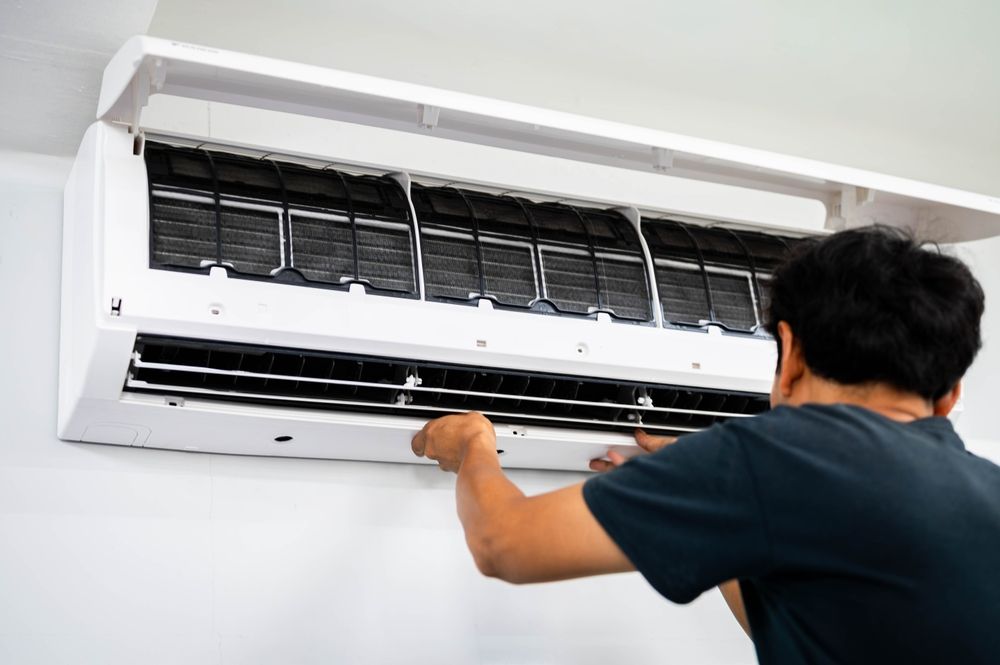
What A/C Installation Actually Accomplishes
A/C installation begins with calculating the building's cooling load by measuring heat gain from windows, walls, ceilings, and internal sources like lighting and occupants, then selecting equipment capacity that matches that calculated load. Oversized units cycle on and off too frequently to remove humidity effectively, while undersized equipment runs continuously without reaching set temperature during peak afternoon heat, so accurate load calculation determines which tonnage rating suits the specific building.
After installation is complete, you'll notice that indoor temperature drops to thermostat setting within a reasonable timeframe on hot afternoons, humidity levels remain comfortable rather than feeling clammy, and the system cycles off once temperature is reached instead of running continuously.
Rooms that were previously difficult to cool—upstairs bedrooms, spaces with large windows, or areas distant from the air handler—maintain temperatures consistent with the rest of the building because airflow and equipment capacity now match the home's actual cooling distribution needs.
New installations include refrigerant lines sized for the specific run length between indoor and outdoor units, electrical connections that meet equipment amperage requirements, condensate drainage that prevents water damage, and thermostat placement that reads representative indoor temperature rather than being affected by direct sunlight or drafts. These details affect whether the system operates as designed or develops issues that reduce comfort and efficiency.
Common Questions About This Service
Homeowners and property managers in Livingston and surrounding areas often ask how A/C installation applies to their buildings and cooling requirements.
What determines which cooling system suits my property?
System selection depends on whether you have existing ductwork from forced-air heating, how much space is available for indoor air handling equipment, where outdoor condensing units can be located without noise or appearance concerns, and whether your electrical service has capacity for additional cooling load.
How is cooling capacity calculated?
Capacity calculation includes measuring the building's conditioned square footage, ceiling height, insulation R-values, window area and orientation, air leakage through the building envelope, and internal heat generation, then using these inputs to determine how many BTUs per hour the system must remove to maintain comfortable indoor temperature during Livingston's summer heat.
What changes after new A/C equipment is installed?
You'll notice that indoor temperature reaches thermostat setting during afternoon heat, humidity feels controlled rather than oppressive, previously warm rooms cool at the same rate as the rest of the building, and the outdoor unit cycles off periodically rather than running nonstop on hot days.
When should I consider A/C installation?
Installation makes sense when existing cooling equipment fails and repair costs approach replacement value, when you're adding square footage that increases cooling load beyond current equipment capacity, or when a building that previously relied on ventilation alone now requires mechanical cooling to maintain comfortable summer temperatures.
How does existing HVAC infrastructure affect installation?
Properties with forced-air furnaces often use existing ductwork for cooling, but the installer must verify that ducts, registers, and return air paths handle cooling airflow requirements, which typically exceed heating airflow volumes because cooling demands higher air circulation rates to maintain comfort.
Arctic Air installs air conditioning equipment sized and configured for each property's cooling requirements and building characteristics. Contact us at (406) 223-3590 to discuss equipment options and schedule an installation assessment.