
Packaged HVAC for Commercial Buildings
Rooftop Unit Installation in Livingston for commercial properties requiring combined heating and cooling equipment mounted above occupied spaces
Commercial buildings often house HVAC equipment on rooftops to conserve interior floor space and simplify service access, but equipment capacity, structural support, and integration with existing systems must align with the building's heating and cooling demands. Rooftop unit installation in Livingston, Manhattan, Three Forks, or a surrounding area involves planning that accounts for building requirements, rooftop configuration, equipment capacity, access for future service, and existing HVAC infrastructure that may remain in place or require removal. Arctic Air configures rooftop units to maintain comfortable commercial environments through Southwest Montana's seasonal extremes, where summer heat and winter cold both place sustained demands on climate control systems.
Rooftop units package heating, cooling, and air handling components into a single cabinet installed on the roof structure, with ductwork connecting to interior spaces below. This approach centralizes equipment, reduces the footprint inside the building, and positions service access away from customer and employee areas.
Contact us for project planning and a detailed estimate based on your building requirements.
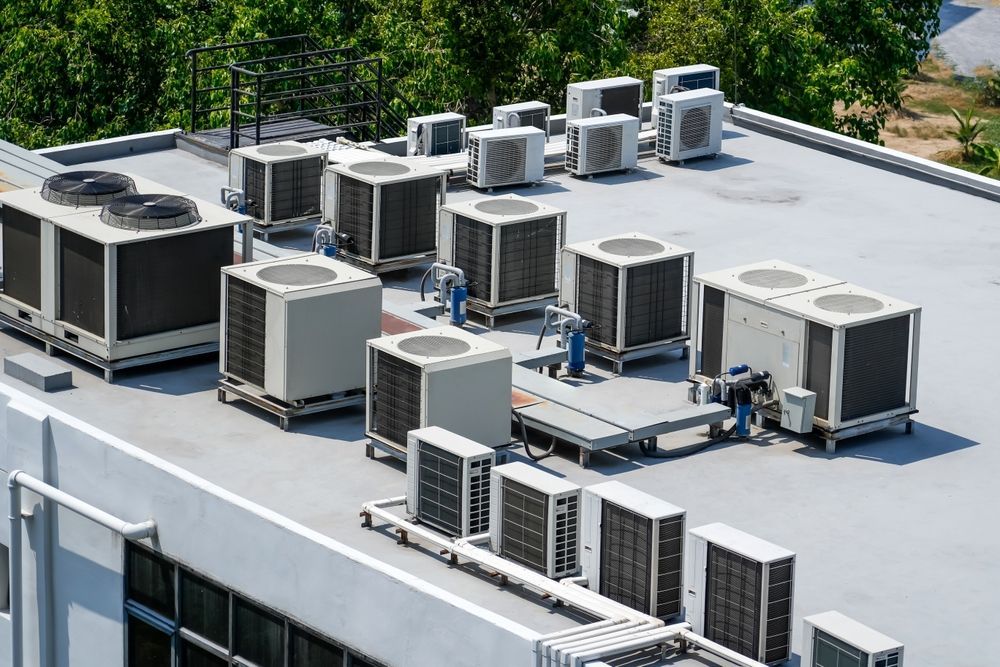
What Rooftop Unit Installation Actually Accomplishes
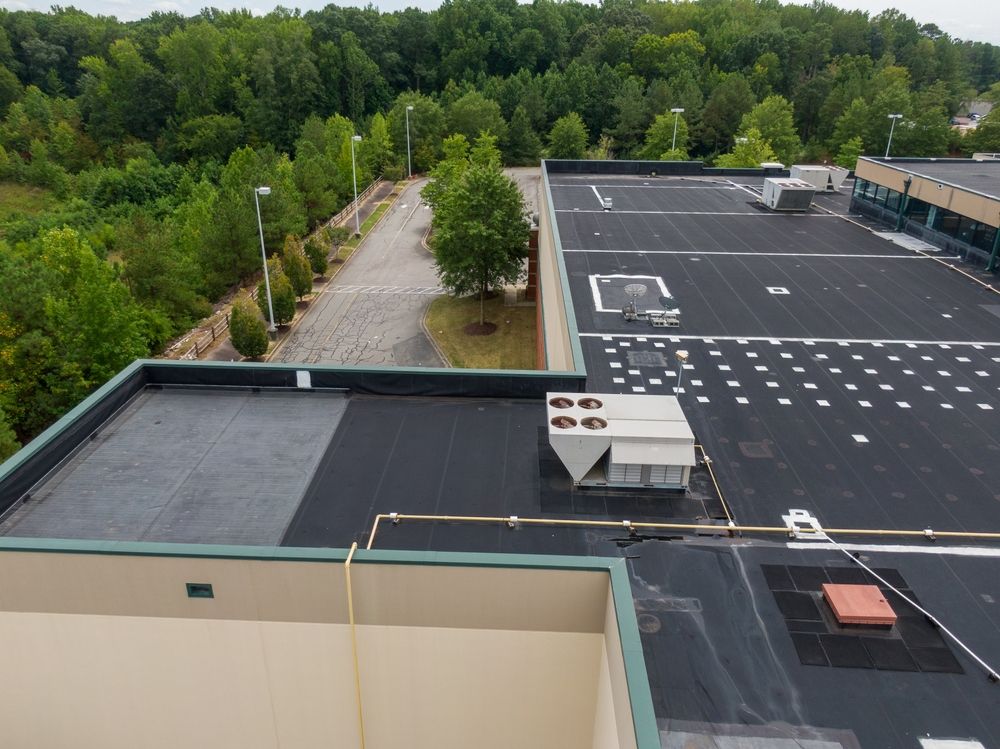
Installation begins with verifying the roof structure can support the unit's weight, which includes not only the equipment but also snow load during winter months and service personnel accessing the unit for maintenance. The unit is crane-lifted or rigged onto a support curb that raises it above the roof membrane, and ductwork is connected through roof penetrations that are flashed and sealed to prevent water intrusion.
After installation, building occupants will notice more consistent temperatures across different zones, quieter operation than older equipment, and improved airflow that eliminates hot or cold spots common with undersized or aging systems.
Rooftop placement also frees interior mechanical rooms for storage or other uses, and equipment noise remains outside rather than resonating through ceilings and walls.
Rooftop units integrate with thermostats, building automation systems, and zoning controls to regulate temperature based on occupancy and time of day. Proper installation includes testing airflow, verifying refrigerant charge, calibrating controls, and confirming all safety switches operate correctly before the system enters service.
What Property Owners Usually Ask
Commercial property managers and building owners in Livingston and surrounding areas often want to understand how rooftop unit installation affects building operations and long-term maintenance costs.
What types of buildings use rooftop HVAC units?
Rooftop units are common in retail stores, office buildings, warehouses, restaurants, and light industrial facilities where interior space is valuable and where rooftop access simplifies service without disrupting daily operations inside the building.
How is equipment capacity determined for a commercial building?
Load calculations account for square footage, insulation, window area, occupancy levels, internal heat from lighting and equipment, ventilation requirements, and hours of operation to size equipment that meets peak demand without excessive cycling or energy waste.
When should rooftop units be replaced rather than repaired?
Replacement makes sense when equipment is more than fifteen years old, when refrigerant type is being phased out, when repair costs approach half the price of a new unit, or when efficiency losses are driving up utility bills significantly compared to modern equipment.
What access is required for installation and future service?
Installation requires crane access or clear rigging paths to the roof, and ongoing service depends on safe roof access via ladders, stairs, or hatch openings that meet code requirements and allow technicians to reach the unit with tools and replacement parts.
How does rooftop placement affect equipment lifespan?
Rooftop units endure direct sun, wind, snow, and hail exposure, which can shorten component life compared to ground-level or indoor equipment, so regular maintenance including coil cleaning, belt replacement, and weatherproofing checks is critical for longevity in Livingston's climate.
Arctic Air reviews your building layout, current HVAC performance, and rooftop configuration to recommend equipment that fits your capacity needs and budget. Reach out to schedule a building assessment and receive a project estimate for rooftop unit installation.