
Addressing Air Conditions Inside Closed Buildings
Indoor Air Quality Services in Livingston for evaluating and improving air circulation, filtration, and management in residential and commercial spaces
Long Montana heating seasons keep buildings sealed for extended periods, which limits fresh air exchange and allows airborne particles, humidity imbalances, and ventilation concerns to accumulate inside occupied spaces. Indoor air quality services in Livingston evaluate the condition and management of air circulating through residential and commercial buildings, addressing filtration effectiveness, airborne particle levels, ventilation rates, and humidity control as applicable solutions rather than universal products. Arctic Air assesses HVAC systems, building envelope conditions, and occupant concerns to identify where air quality improvements may be appropriate and what equipment or adjustments could support those goals.
Indoor air quality depends on multiple factors including filter type and replacement frequency, duct cleanliness, outdoor air intake, humidity levels, and how well the HVAC system distributes conditioned air throughout the building. Improving air quality often involves evaluating existing equipment first, then determining whether filtration upgrades, ventilation enhancements, or humidity management equipment would address specific concerns.
Request an indoor air quality assessment to identify where improvements may benefit your property.
How Indoor Air Quality Services Address Circulation Concerns
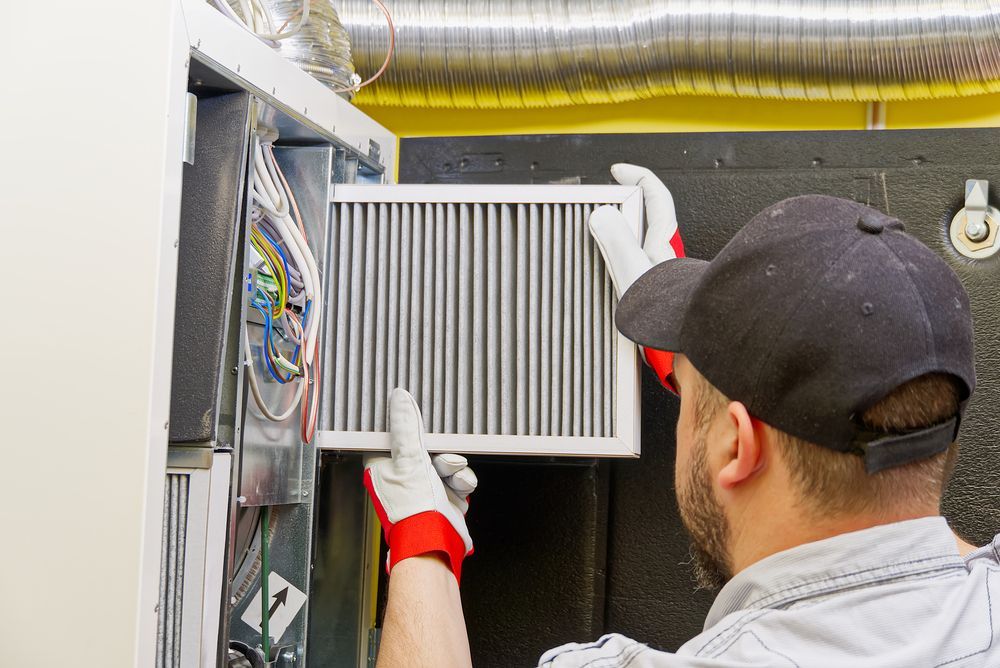
Assessment begins with inspecting the HVAC system to determine current filter type, airflow rates, duct condition, and whether the system introduces outdoor air or recirculates only indoor air. Filtration options range from standard pleated filters to high-efficiency media filters or electronic air cleaners, each with different particle capture rates and airflow resistance that affects system performance.
After improvements are implemented, building occupants often notice less dust accumulation on surfaces, reduced stale air odors, and fewer complaints about stuffiness in rooms farthest from the HVAC equipment.
Filtration upgrades capture smaller particles before they circulate through ductwork, and ventilation adjustments bring in outdoor air to dilute indoor contaminants without creating drafts or temperature swings.
Humidity management may involve adding or removing moisture depending on seasonal conditions and building characteristics, since overly dry air during winter can cause static and respiratory discomfort while excess humidity promotes mold growth. Solutions are selected based on measured conditions rather than assumptions, and equipment is integrated with existing HVAC controls to maintain target humidity ranges automatically.
Common Questions About This Service
Homeowners and business managers considering indoor air quality improvements often ask what services involve and how changes affect daily building conditions.
What does an indoor air quality assessment include?
Assessment involves inspecting HVAC equipment, checking filter condition and fit, measuring airflow at registers, reviewing duct system integrity, and discussing occupant concerns such as dust levels, odors, or comfort complaints that may relate to air circulation or filtration issues.
How do filtration upgrades affect HVAC system performance?
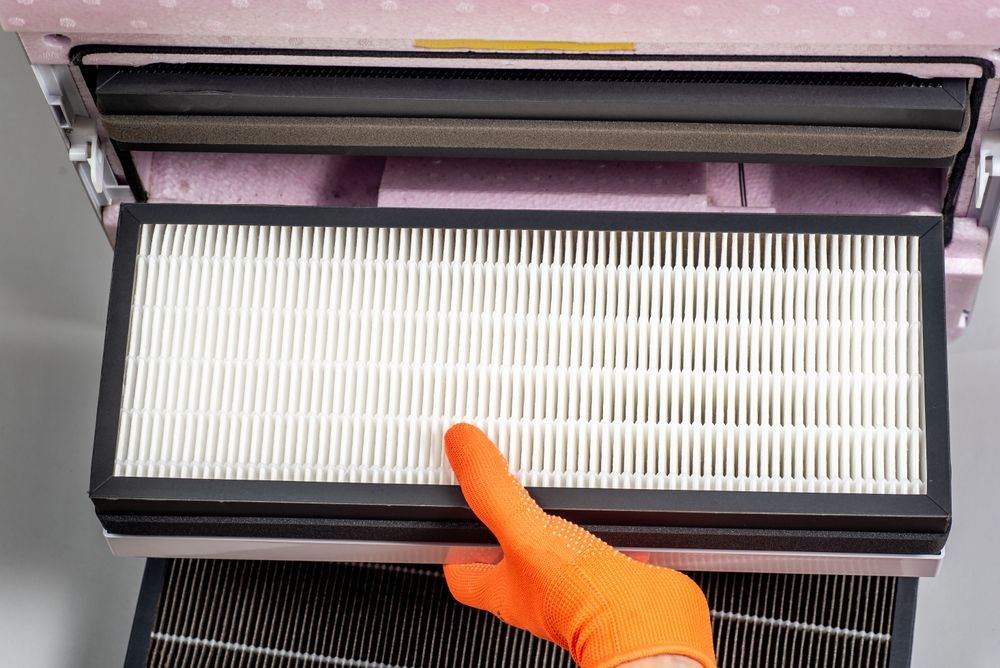
Higher-efficiency filters capture more particles but also restrict airflow more than standard filters, so the HVAC blower must have adequate capacity to move air through denser media without reducing circulation or straining the motor.
When should ventilation be increased in a building?
Increased ventilation helps when indoor air feels stale, when occupant density is high, or when activities generate odors or moisture, but adding outdoor air also increases heating and cooling costs since incoming air must be conditioned to match indoor temperature.
What factors affect indoor humidity levels in Southwest Montana?
Winter heating dries indoor air significantly, while summer humidity remains low compared to other regions, so humidification is more commonly needed than dehumidification unless the building has moisture intrusion from leaks or poor drainage around the foundation.
How often should filters be replaced to maintain air quality?
Replacement frequency depends on filter type, system runtime, occupancy, and indoor dust sources, but most residential systems benefit from filter checks every one to three months, with replacement when the filter appears visibly loaded or when airflow at registers noticeably decreases.
Arctic Air evaluates your HVAC system and building conditions to identify practical improvements that address your specific air quality concerns. Schedule an indoor air quality assessment to determine what adjustments or equipment may benefit your residential or commercial property.