
Year-Round Climate Control From One System
Heat Pump Installation in Livingston for properties seeking combined heating and cooling without separate furnace and air conditioning equipment
Montana climate demands both heating and cooling capability, yet many properties rely on separate systems that increase equipment costs and complicate maintenance schedules. Heat pump installation in Livingston, Willow Creek, Gardiner, or a surrounding area provides heating during cold months and cooling during summer from a single HVAC system that moves heat rather than generating it through combustion. Arctic Air configures heat pumps based on property layout, existing ductwork, insulation levels, and the specific heating and cooling loads calculated for your building.
Heat pumps transfer thermal energy between indoors and outdoors rather than burning fuel, which changes the equipment requirements and performance characteristics compared to conventional furnace and air conditioner pairings. System selection depends on whether your property has existing ductwork, the capacity needed to maintain comfort during temperature extremes, and whether supplemental heating will be required during the coldest stretches of winter.
Request a property evaluation to determine whether a heat pump suits your building and climate control needs.
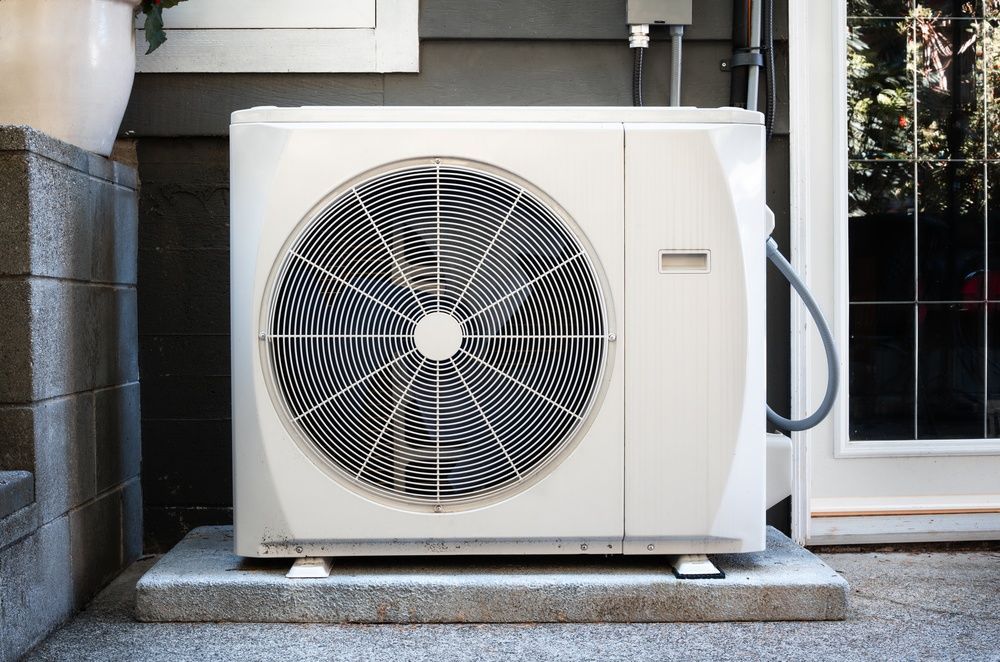
How Heat Pumps Address Heating and Cooling
Installation involves mounting the outdoor unit on a stable pad with clearance for airflow, connecting refrigerant lines to the indoor air handler or furnace, and integrating controls that switch between heating and cooling modes as outdoor temperatures and indoor demand change. Electrical supply must support the compressor and air handler, and existing ductwork may require sealing or modification to handle airflow volumes different from previous equipment.
After installation completes, you will notice the system heats without burning fuel and cools without a separate condenser, reducing the number of service appointments and equipment inspections required each year.
One thermostat controls both functions, and the system automatically reverses refrigerant flow to switch between heating and cooling as seasons change.
Heat pump performance drops as outdoor temperatures fall, so installations in Southwest Montana often include backup heat sources that engage automatically when the heat pump cannot meet the full heating load alone. Sizing the system correctly prevents excessive runtime and ensures the equipment can handle both summer cooling peaks and extended heating periods without strain.
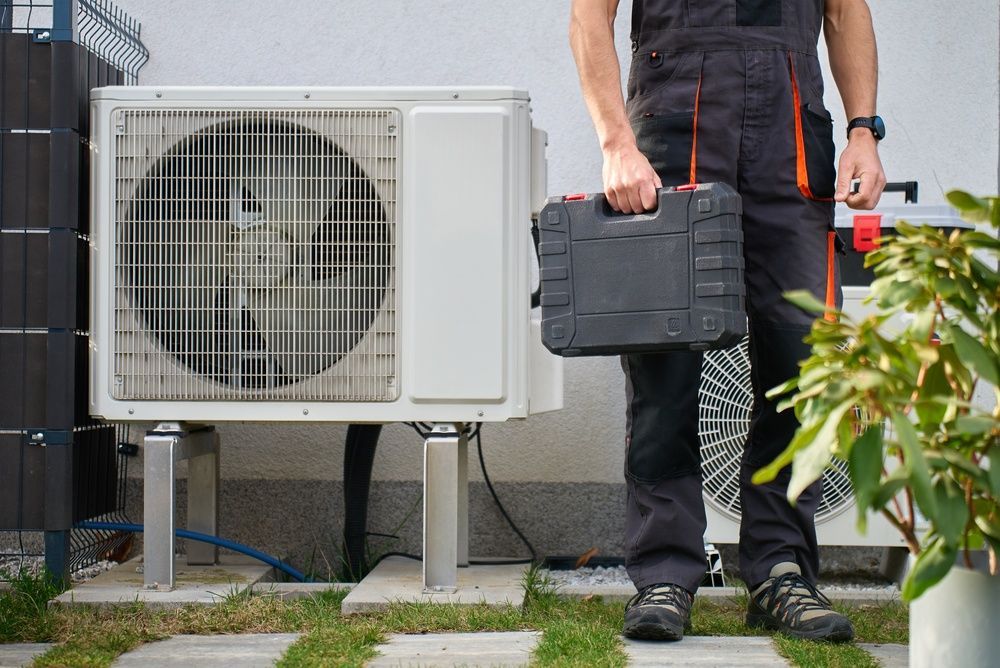
Common Questions About This Service
Homeowners and property managers in Livingston and surrounding areas frequently ask how heat pumps compare to traditional HVAC configurations and whether the technology suits Montana conditions.
What makes heat pumps different from furnace and air conditioner systems?
Heat pumps use a refrigeration cycle to move heat in either direction, whereas furnaces generate heat through combustion and air conditioners only remove heat, so a heat pump replaces both functions with a single reversible system.
How do cold Montana winters affect heat pump performance?
Heat pump efficiency declines as outdoor temperatures drop, which is why many Livingston installations include electric resistance coils or a furnace as supplemental heat that activates automatically when outdoor temperatures fall below the heat pump's effective range.
When does a heat pump make sense for a property?
Heat pumps work well for homes with good insulation, moderate heating loads, and existing ductwork in serviceable condition, though older properties with high heat loss or inadequate electrical service may face installation challenges.
What should I expect during the installation process?
Installation requires setting the outdoor unit, running refrigerant lines through walls or attic spaces, connecting the indoor coil or air handler, upgrading the thermostat, and testing the system in both heating and cooling modes to verify proper operation.
How is maintenance different from traditional HVAC?
Heat pumps require filter changes, coil cleaning, and refrigerant level checks similar to air conditioners, but because the system runs year-round for both heating and cooling, components experience more operating hours and may need attention more frequently than single-function equipment.
Arctic Air evaluates your property layout, existing equipment, and heating and cooling requirements to determine whether a heat pump fits your building. Contact us to discuss whether a heat pump installation is appropriate for your home or commercial property.