Heating Equipment for Montana's Long Winter
Furnace Installation in Livingston for properties replacing aging equipment or installing new heating systems
Livingston's heating season extends from October through April, with winter temperatures regularly dropping below zero and creating sustained demand that forces furnaces to operate thousands of hours each season. Furnace installation from Arctic Air accounts for this extended cold-weather operation by selecting equipment capacity based on the property's heat loss calculation, existing duct system configuration, and whether the building is a residence with standard occupancy patterns or a commercial property with different heating schedules and ventilation requirements. Homes with basements, vaulted ceilings, or additions built with different insulation standards than the original structure often need careful equipment sizing to avoid undersized units that struggle during cold snaps or oversized units that cycle too frequently and waste energy.
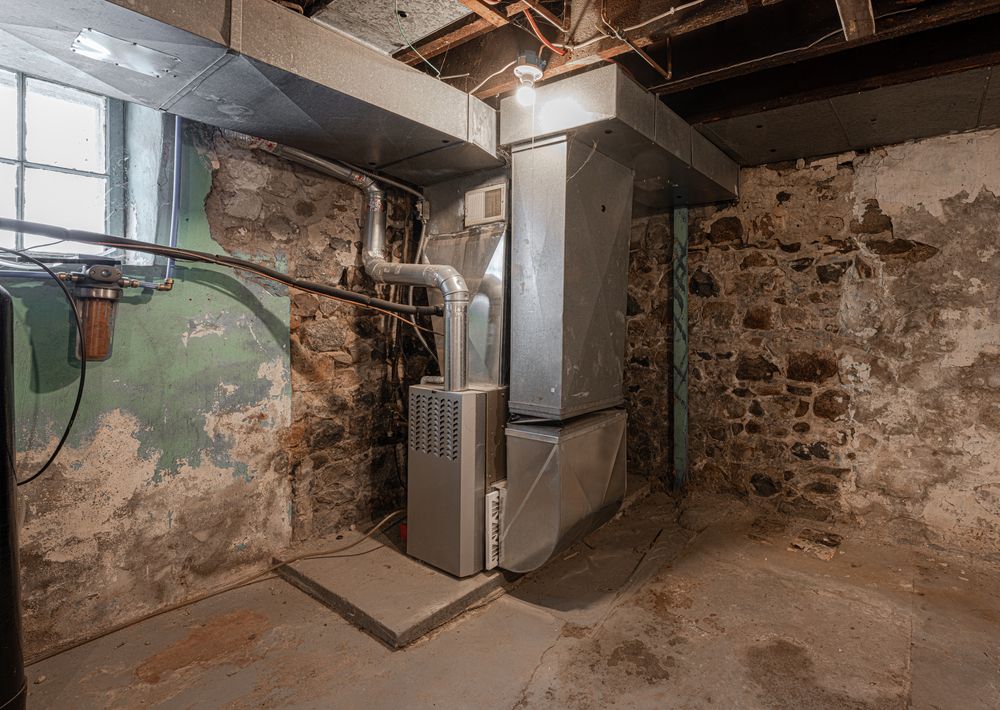
Installation involves evaluating whether existing ductwork, flue venting, gas lines, and electrical service support the new equipment or require modification to meet current code and manufacturer specifications. High-efficiency furnaces produce cooler exhaust that requires PVC venting instead of metal flue pipe, draw combustion air from outside rather than using indoor air, and include condensate drainage that must be routed to appropriate drains, so upgrading from older equipment often involves more than direct replacement.
Schedule a consultation to discuss furnace installation options for your property's heating requirements.
What Furnace Installation Involves
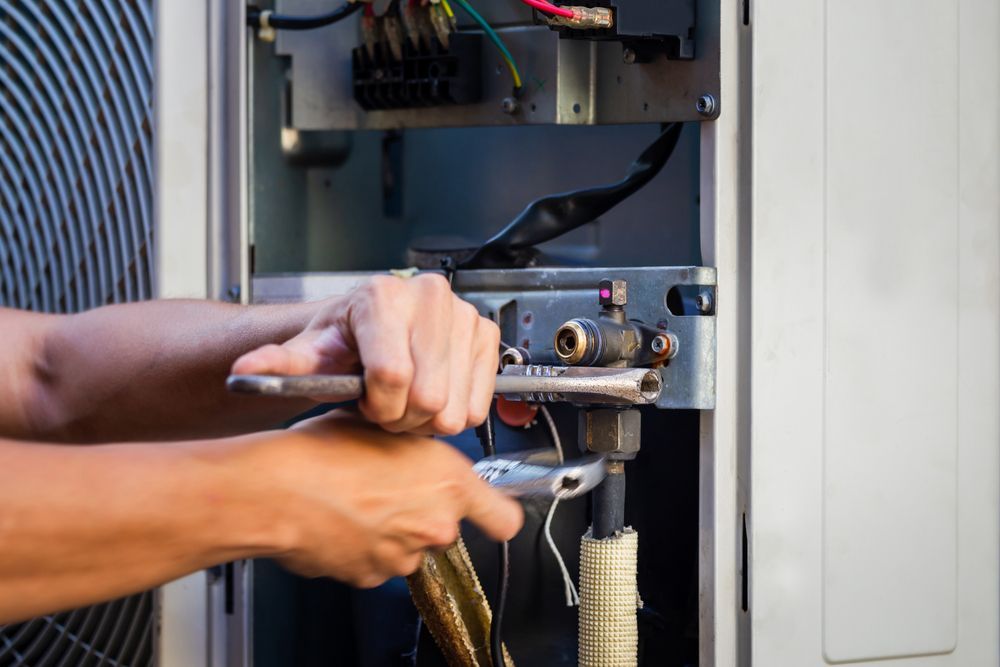
Furnace installation begins with calculating the building's heat loss by measuring insulation levels, window area, air leakage, and how much heat escapes through walls, ceilings, and foundations during Southwest Montana's winter temperature extremes. This calculation determines which furnace output rating—measured in BTUs per hour—matches the building's actual heating demand, preventing undersized equipment that can't maintain temperature when outdoor conditions reach minus twenty and oversized units that cycle on and off every few minutes instead of running steady, efficient heating cycles.
Once installation is finished, you'll notice that indoor temperature rises to thermostat setting within a reasonable timeframe even on the coldest mornings, previously cold rooms receive adequate heat because airflow distribution now matches the building's layout, and the furnace operates with steady cycles that maintain comfort without constant on-off switching.
The system's ability to keep all rooms at consistent temperature depends on matching equipment capacity to heat loss, ensuring ductwork delivers appropriate airflow volumes to each space, and sealing connections so conditioned air reaches living areas rather than leaking into attics or crawlspaces.
Installation includes verifying gas pressure at the furnace inlet, setting burner flame for complete combustion, confirming that safety controls shut down the unit if flame or airflow issues develop, and programming thermostat features that allow temperature setback during unoccupied hours for commercial properties or overnight periods for residences. These details affect both safety and operating efficiency throughout the six-month heating season Montana properties face.
What Homeowners Typically Want to Know
Property owners considering furnace installation in Livingston often have questions about equipment selection and how installation applies to their buildings.
What determines which furnace capacity suits my property?
Capacity is calculated by measuring heat loss through the building envelope during winter design temperature—typically minus twenty degrees for Livingston—accounting for insulation, windows, air leakage, and building volume to determine how many BTUs per hour the furnace must produce to maintain comfortable indoor temperature during the coldest weather.
How does Montana's heating season affect equipment selection?
Livingston requires heating from October through April, meaning furnaces operate significantly more hours per year than in milder climates, so equipment reliability, efficiency ratings, and component durability matter more because the system experiences continuous seasonal use rather than occasional operation.
What changes after new furnace installation?
You'll notice that all rooms reach comfortable temperature even during subzero cold snaps, the system maintains thermostat setting without running continuously, airflow feels balanced across all vents, and the furnace starts reliably each cycle without the delayed ignition or failed starts that indicate aging components.
When should I consider furnace replacement?
Replacement makes sense when existing equipment is over fifteen years old and developing frequent issues, when heating costs increase noticeably despite similar usage patterns, when the current furnace can't maintain temperature during cold weather, or when you're changing the building's layout or square footage in ways that affect heating load.
How do high-efficiency furnaces differ from standard models?
High-efficiency units extract more heat from combustion gases by using a secondary heat exchanger, which lowers exhaust temperature and requires PVC venting, produces condensate that needs drainage, and achieves efficiency ratings above ninety percent compared to eighty percent for standard furnaces, reducing fuel consumption over Montana's long heating season.
Arctic Air installs furnaces matched to each property's heating load, building construction, and equipment infrastructure throughout Livingston and Southwest Montana. Contact us at (406) 223-3590 to discuss your heating system and installation options.