Systems Designed for Operating Demands
Commercial HVAC Services in Livingston for offices, retail spaces, and properties with occupancy requirements
Offices, retail shops, and commercial buildings face different heating and cooling requirements than residential properties because occupancy levels change throughout the day, operating hours extend beyond typical home use, and building codes often mandate specific ventilation rates. Commercial HVAC services from Arctic Air address these variables by evaluating building size, how many people occupy the space during business hours, what equipment or lighting generates internal heat, and how Montana's seasonal temperature changes affect comfort and energy use. A retail space with large display windows and frequent door openings requires different equipment than a back-office suite with steady occupancy and minimal external exposure.
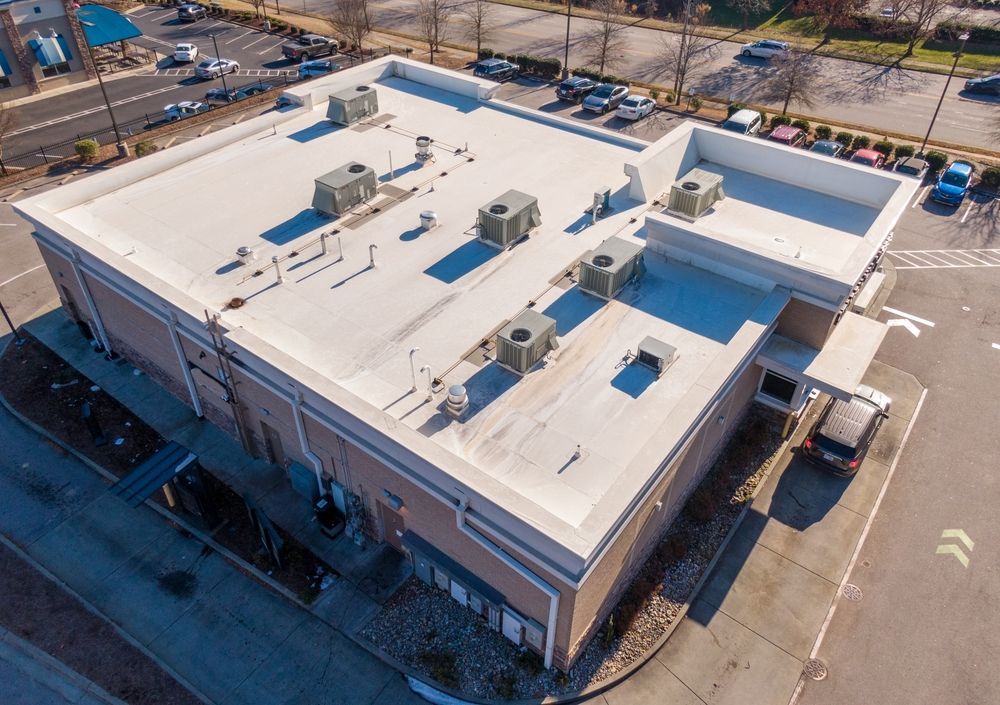
Equipment selection accounts for whether the building needs rooftop units that combine heating and cooling in a single package, unit heaters for spaces like workshops or warehouses where spot heating makes more sense than conditioning the entire volume, or split systems that separate indoor air handling from outdoor condensing units. Each approach suits specific commercial settings based on ceiling height, floor plan, and whether the space requires simultaneous heating and cooling in different zones.
Arrange a building assessment to review your property's heating and cooling requirements and discuss equipment configurations.
How Commercial HVAC Addresses Building Requirements
Commercial HVAC planning begins with calculating the building's heating load during Livingston's winter months when outdoor temperatures drop below zero and cooling load during summer periods when solar gain through windows and heat from occupants, computers, and lighting drive up indoor temperatures. Unit heaters work well in spaces where high ceilings make full-volume heating inefficient, while rooftop units consolidate mechanical equipment outside the building envelope to preserve interior square footage for revenue-generating use.
Once installation is complete, building occupants will notice that temperature remains stable during business hours even as outdoor conditions change, humidity levels stay within comfortable ranges that prevent stuffiness or dryness, and equipment operates quietly enough that customer interactions and office work proceed without mechanical noise interruption.
The system's ability to maintain comfort depends on matching equipment capacity to actual demand rather than oversizing, which causes temperature swings and excessive wear.
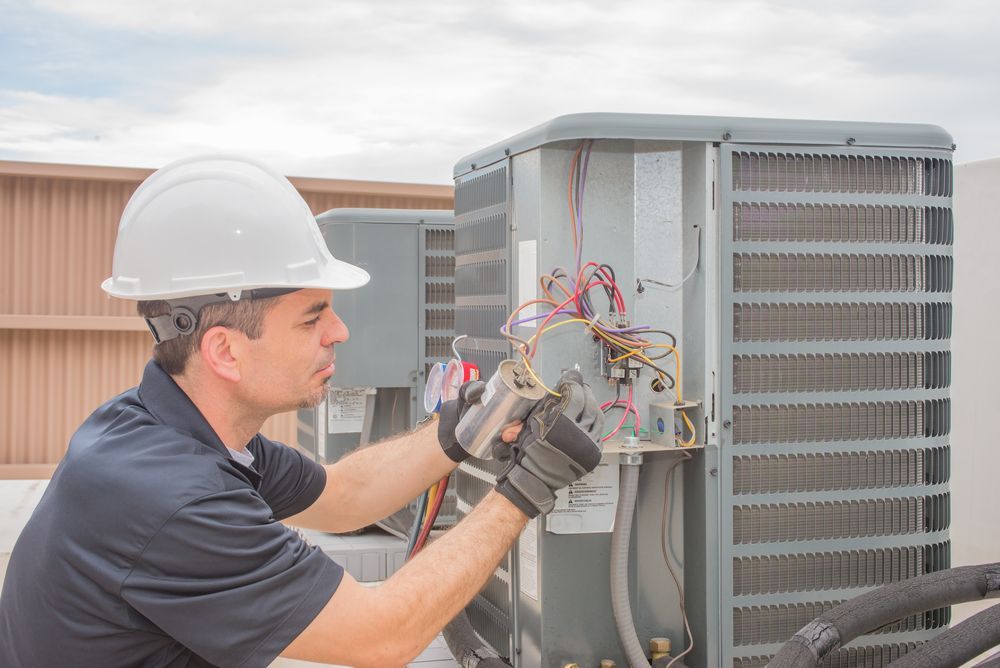
Maintenance for commercial systems differs from residential service because operating hours accumulate faster, air filters handle higher dust loads from customer traffic or commercial processes, and equipment downtime during business hours affects revenue. Scheduled service visits allow filter replacement, inspection of belts and motors that drive larger air handlers, and verification that thermostats and zone controls respond correctly to occupancy patterns.
Answers to Frequent Service Questions
Commercial property managers and business owners in Livingston and surrounding areas often ask how HVAC services apply to their buildings and operational needs.
What factors determine commercial equipment selection?
Selection depends on building square footage, ceiling height, insulation quality, how many exterior walls and windows affect heat loss or gain, occupancy density during business hours, internal heat from equipment or lighting, and whether the space requires ventilation rates beyond standard comfort heating and cooling.
How do rooftop units differ from other commercial options?
Rooftop units combine heating, cooling, and air handling in a single weatherproof package installed outside the building, freeing interior space and simplifying maintenance access, while unit heaters provide localized heating in high-bay areas where conditioning the full volume would waste energy.
What happens during a commercial building assessment?
Arctic Air measures the building's dimensions, notes construction details like insulation and window area, reviews operating hours and occupancy patterns, identifies any special ventilation requirements, and calculates heating and cooling loads based on Livingston's climate data to determine appropriate equipment capacity and configuration.
When should commercial HVAC maintenance occur?
Schedule maintenance during off-hours or slow periods to avoid disrupting business operations, with heating system service in late summer before cold weather increases furnace demand and cooling system attention in spring before summer temperatures require daily air conditioning use.
How does Montana's climate affect commercial system design?
Livingston's extended heating season from October through April means commercial buildings consume more energy for heating than cooling, so equipment efficiency and zone control during winter operation often drive long-term operating costs more than summer cooling performance.
Arctic Air evaluates commercial buildings throughout Livingston to recommend equipment that matches operating demands, building construction, and seasonal temperature variation. Call (406) 223-3590 to discuss your property and project requirements.