Heating That Keeps Work Spaces Functional
Unit Heater Installation in Livingston for garages, workshops, warehouses, and buildings requiring targeted winter heating
Southwest Montana's prolonged cold conditions leave many work spaces unusable for months unless heating is installed where activity actually occurs. Arctic Air handles unit heater installation in Livingston, Manhattan, Three Forks, and surrounding areas for garages, workshops, warehouses, and similar buildings where centralized HVAC may not reach or make economic sense. System choice and exact placement depend on the space dimensions, intended use, building configuration, and the heating load required to maintain functional temperatures during extended cold periods.
Unit heaters deliver concentrated warmth to specific zones rather than conditioning an entire structure, which makes them practical for spaces used intermittently or areas where ductwork installation would be prohibitively expensive. Selecting the right equipment involves calculating heat loss based on insulation, ceiling height, ventilation requirements, and how often doors open to the outside.
Schedule a project consultation to review your building layout and heating requirements.
What Proper Unit Heater Installation Requires
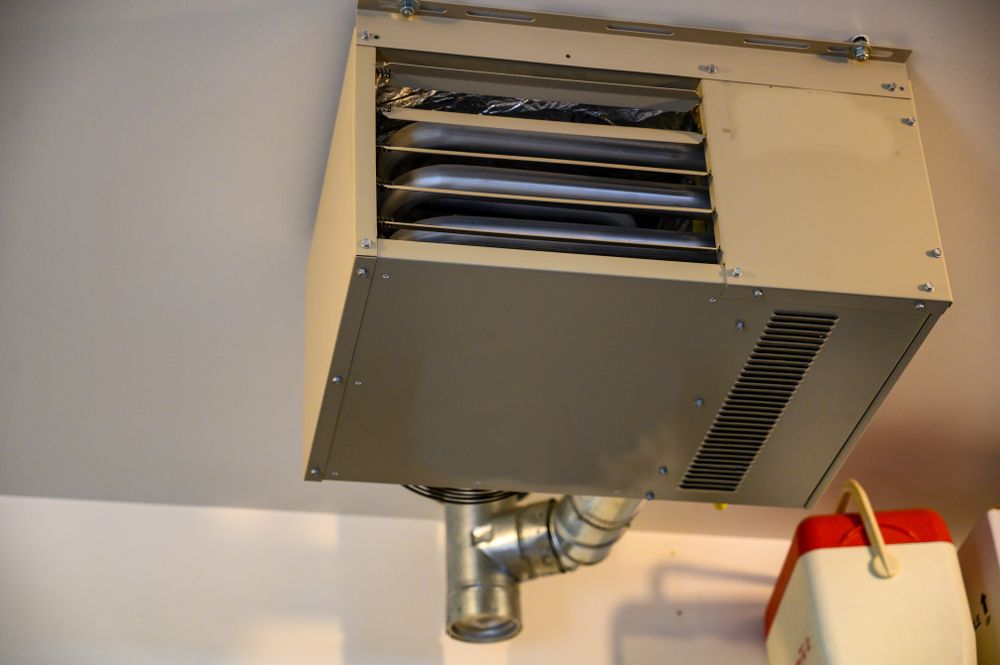
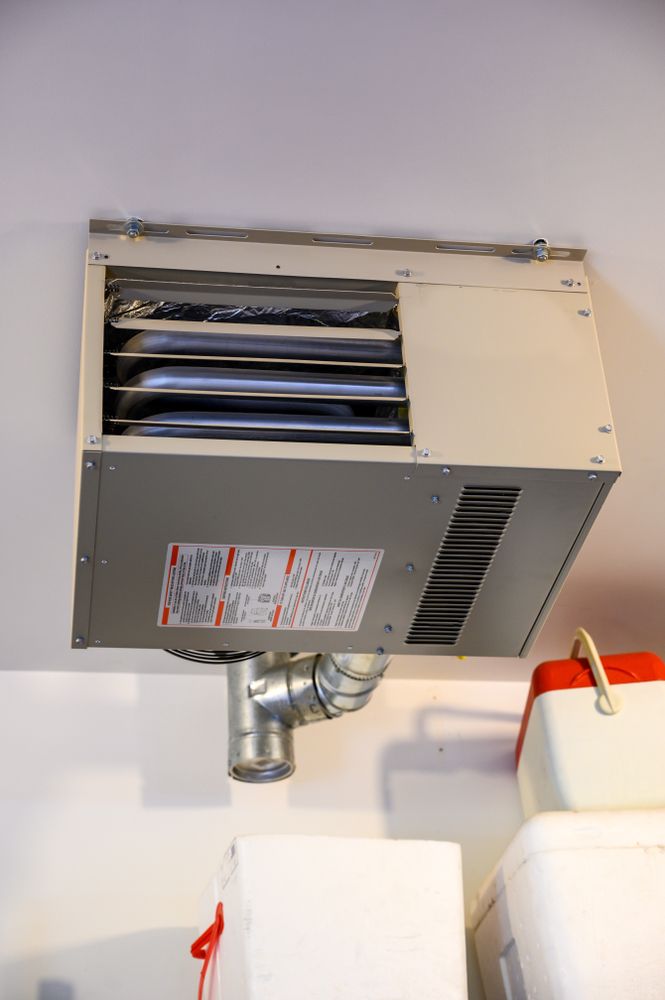
Installation begins with assessing the space to determine heat output needs, fuel source availability, venting paths, and mounting options that keep equipment safely above work zones and equipment. Unit heaters can be suspended from ceilings, mounted to walls, or positioned on stands depending on clearance requirements and airflow patterns needed to distribute heat evenly without creating cold pockets.
Once the system is installed and operational, you will notice the workspace reaches comfortable temperatures faster than with perimeter heating, and cold drafts near exterior doors diminish as the unit circulates warm air through the area.
Arctic Air sizes equipment to match the actual heating demand rather than oversizing, which prevents short cycling and maintains steadier temperatures throughout the space.
Proper installation also accounts for ventilation when combustion equipment is used, ensuring exhaust gases vent safely and makeup air enters the building to replace air consumed by the heating process. Electrical supply, thermostat placement, and safety shutoffs are configured to meet code and support reliable operation across the heating season.
Questions About Heating Work Spaces
Customers planning unit heater projects in Livingston often want to know how equipment decisions affect performance and long-term operation.
What factors determine the right unit heater size for a workspace?
Heat loss calculations account for insulation levels, ceiling height, square footage, exterior wall area, and how frequently overhead doors open to outside air, all of which influence the output required to maintain target temperatures during Livingston winters.
How does fuel type affect installation complexity?
Natural gas, propane, and electric unit heaters each require different infrastructure—gas lines and venting for combustion models, or adequate electrical circuits for electric units—so availability and cost of each fuel source should guide the decision.
When should unit heaters be installed rather than extending existing HVAC?
Unit heaters make sense for detached buildings, spaces added after original construction, areas with high ceilings where ducted systems lose efficiency, or workshops where comfort needs differ from adjacent conditioned spaces.
What maintenance does a unit heater require?
Combustion models need annual burner inspection, flame sensor cleaning, and venting checks, while electric units require periodic inspection of heating elements and fan motors to ensure components remain secure and functional.
How long does installation typically take?
Most single-unit installations complete in one day once fuel supply and electrical infrastructure are confirmed, though projects requiring new gas lines or electrical panel upgrades will extend the timeline depending on existing building systems.
Arctic Air evaluates your building layout, intended use, and existing utilities before recommending equipment that matches your heating needs. Request a project consultation to discuss unit heater options and receive a detailed estimate for your workspace.